
Choose the hand for the silhouette
A fluid training layer and a structured track jacket do not need the same body. Compare swatches with the intended garment drawing and decide how much drape and firmness are useful.
A versatile warp-knit family to consider for tracksuits and warm-up garments. Choose the surface, body and stretch that suit the silhouette instead of treating every tricot as the same fabric.
Tracksuits · Warp knit
Custom apparel · OEM, ODM and private label
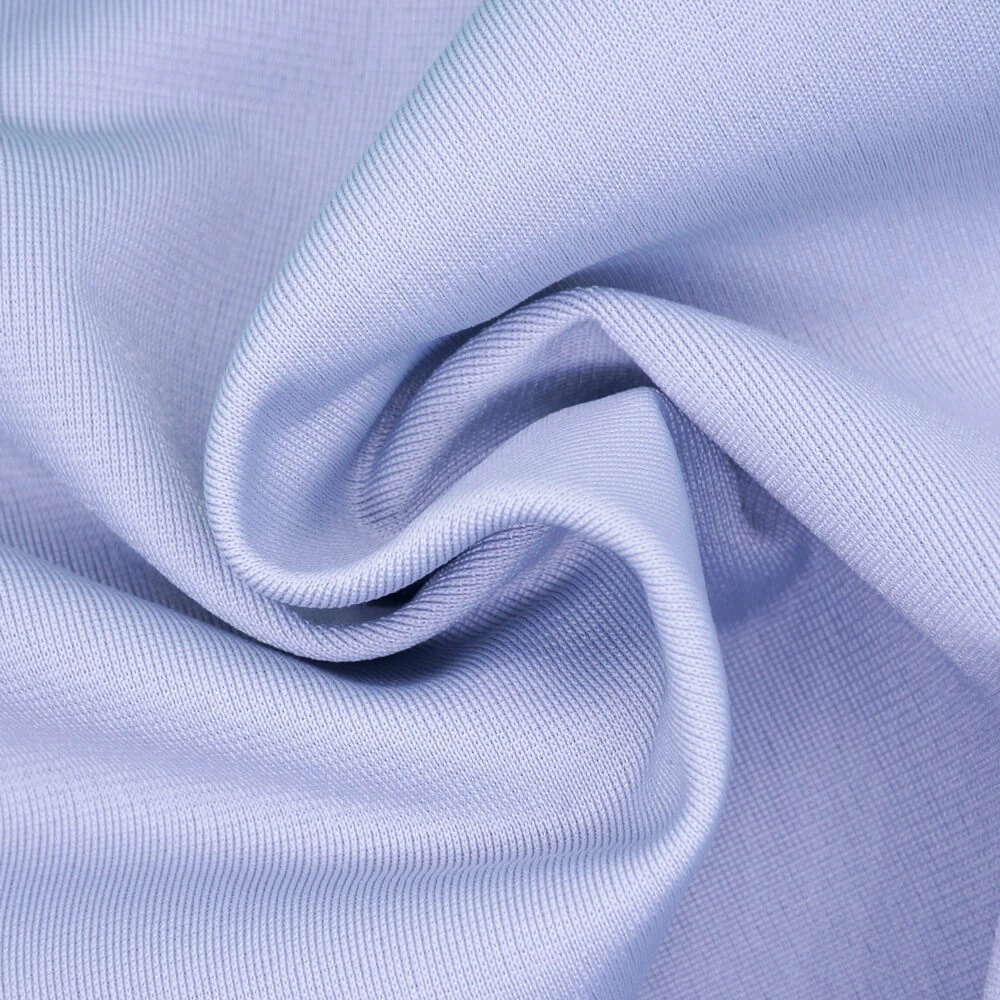
Polyester tricot is a warp-knitted fabric made with polyester yarn. Tricot qualities differ in surface, density, stretch and finishing, so the name is a starting point for selection. For a tracksuit, assess the chosen fabric with its zips, seams and panels in a complete movement-tested sample.
These are starting points for fabric selection. The chosen quality is approved for the specific garment.
Review jacket and trouser movement in a matching set.
Consider selected tricot qualities for warm-up and training layers.
Discuss a suitable track-style layer where a knit hand fits the programme.
GSM is fabric mass per square metre. It helps compare weight, but does not alone establish quality, coverage or performance.
A fluid training layer and a structured track jacket do not need the same body. Compare swatches with the intended garment drawing and decide how much drape and firmness are useful.
A tracksuit has visible seams and zip lines that reveal distortion. Inspect these areas with the garment relaxed, worn and washed, and approve any lining or pocket bag at the same time.
Contrast panels should work together for stretch, hand and colour. Include rib, elastic, pocket lining and piping in the sample review rather than approving the main cloth in isolation.
Artwork and fabric should be approved together. Explore our decoration services for the wider process.
Approve heat compatibility, colour and print hand on the selected tricot base.
Check backing and placement to avoid pulling or stiffening a light panel.
Review adhesion and migration on the actual shade, including after the garment care cycle.
Follow the tracksuit or warm-up garment label. Keep exposed fastenings and abrasive equipment away from the surface, and avoid any pressing or drying treatment that has not been approved for the complete garment.
A fabric swatch cannot establish how a zip jacket will wash. Check the final sample for rippling, panel distortion and the appearance of printed or embroidered details before bulk approval.
Practical answers for choosing, decorating and caring for the fabric in your garment range.
It is polyester fabric made using a warp-knitting process. The construction can be developed in different weights and finishes, so ask for the actual swatch and specification intended for your garment.
Selected qualities can work well for track jackets, trousers and warm-ups. Check drape, coverage, seam behaviour and the fit of both pieces in a matching sample.
No. Tricot is warp knitted; interlock is a double weft-knit construction. Compare the physical fabrics for the surface, stretch and body required by the product.
Some versions are more extensible than others. The knit construction and any added elastic yarn matter. Specify the stretch and recovery needed for the garment rather than assuming four-way stretch.
Yes, with a suitable quality and garment construction. Approve the zip line, pockets, lining if used and overall coverage on a complete jacket sample.
Suitable versions can be decorated, including by sublimation when the base and heat conditions are appropriate. Review a strike-off for colour and any change to the surface or hand.
That is a garment design decision. Consider opacity, pocket construction, hand and the intended season. Review the fabric with and without the proposed lining before fixing the specification.
Snag resistance varies by yarn, construction and finish. If the garment will contact rough surfaces or sports equipment, include that use in the brief and agree an appropriate assessment.
Use its care label, protect the surface from abrasive fastenings and avoid unapproved heat. During sampling, check zips, contrast panels and decorations after the same care process.
Approve the cloth, fit, movement, zip and pocket details, colour panels, rib or elastic, artwork and washed measurements. The written specification should cover both jacket and trousers.
Send the design, intended fit, colours, artwork, size range and quantity. If you have a reference garment, use it to communicate the hand and finish you want. We discuss the fabric, make the sample and record the approved construction before bulk production.
Review dimensions, shade, decoration and the care result together. Keep the signed-off sample and written specification as the reference for the order.
See how sampling worksTell us the garment, fit, colour, artwork and quantity. We will discuss the fabric as part of your custom apparel order, with the selected specification, sample and minimum confirmed in writing.