
Define the performance claim
If the kit needs a wicking finish or a particular drying result, include that in the brief and agree how it will be checked. Polyester content alone is not a tested performance claim.
A clean double-knit surface for team graphics and coordinated sportswear. Select the weight, finish and coverage for the sport, then approve the decorated kit in motion.
Teamwear · Smooth double knit
Custom apparel · OEM, ODM and private label
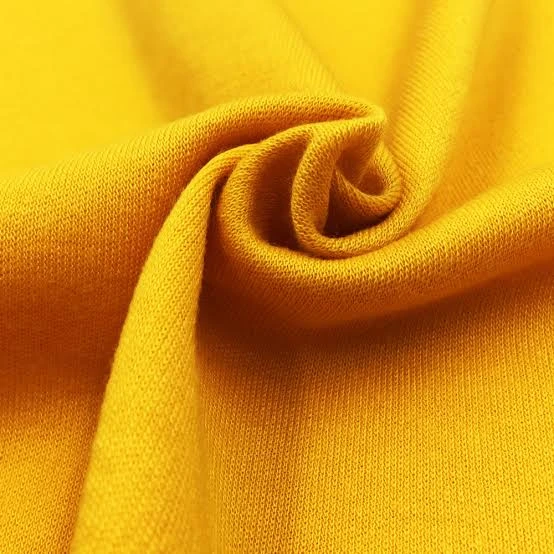
Polyester interlock combines polyester yarn with an interlocking double-knit construction. Its smooth face and relatively stable structure make it a useful option for team shirts and training garments. Wicking, opacity, stretch and drying performance depend on the selected fabric and finish; they are not established by the name alone.
These are starting points for fabric selection. The chosen quality is approved for the specific garment.
GSM is fabric mass per square metre. It helps compare weight, but does not alone establish quality, coverage or performance.
If the kit needs a wicking finish or a particular drying result, include that in the brief and agree how it will be checked. Polyester content alone is not a tested performance claim.
Check the artwork on the selected ground colour and inspect coverage against the body. A sample should be reviewed in bright light and at the intended garment fit.
Compare tops, shorts and any contrast mesh for hand, shade and wash behaviour. Record the print layout and placement sizes before the team range is approved.
Artwork and fabric should be approved together. Explore our decoration services for the wider process.
Suitable polyester bases can take all-over sublimation. Approve colour, temperature compatibility and the finished hand with a strike-off.
Assess dye migration and adhesion on the selected base, especially on darker shades.
Check logo weight and backing so a small badge does not distort a light team shirt.
Use the care instructions on the finished team garment, including any limits for printed numbers, badges and transfers. Keep rough fastenings from rubbing the face and dry only as permitted by the label.
Before bulk approval, launder a decorated sample and look at both the base cloth and the artwork. Check colour transfer, print edges, size and hand rather than treating fabric and decoration as separate approvals.
Practical answers for choosing, decorating and caring for the fabric in your garment range.
It is used in team shirts, training tops and other sportswear needing a smooth knitted base. Select the weight, coverage and finish for the actual garment and intended sport.
No. Interlock is a double-knit construction, while single jersey has a different face and reverse. Interlock generally offers a more stable structure, but compare the actual weights and finishes.
A suitable polyester interlock can be. Confirm the fibre content, base shade and heat compatibility, then approve a printed strike-off before applying the process to the full kit.
Not automatically. Yarn, construction and finishing influence moisture movement. If wicking is important, specify the requirement and agree the evidence for the selected fabric.
That needs to be checked on the selected fabric and garment. Weight, construction, stretch and light conditions affect coverage. Review a white sample at the intended fit before approval.
It has construction-related give, with the amount varying by quality. A fitted garment may need an elastane blend; do not assume a standard polyester interlock has four-way stretch.
Yes. Sublimation, screen print or suitable transfers may be options. Review readability, placement, adhesion and care on the chosen fabric before choosing the finish.
Some dyes can migrate into a decoration during heat processing or later exposure. Ask for a print trial and review the selected ink or transfer system on the actual shade.
Follow the garment label and the decoration care instructions. Avoid rough abrasion, close appropriate fastenings and use only the permitted heat settings for drying or ironing.
Send the sport, garment styles, size range, artwork, colours, quantities and any functional requirements. Ask to approve a fabric swatch and decorated sample before bulk production.
Send the design, intended fit, colours, artwork, size range and quantity. If you have a reference garment, use it to communicate the hand and finish you want. We discuss the fabric, make the sample and record the approved construction before bulk production.
Review dimensions, shade, decoration and the care result together. Keep the signed-off sample and written specification as the reference for the order.
See how sampling worksTell us the garment, fit, colour, artwork and quantity. We will discuss the fabric as part of your custom apparel order, with the selected specification, sample and minimum confirmed in writing.