
Choose a finish with a purpose
A brushed hand, smooth face and textured surface create different wearing experiences. Ask for a swatch and state where the garment will be worn, rather than selecting only by fibre percentage.
A performance-apparel starting point for close fits, movement and selected print applications. Choose the precise construction and decoration together, then verify them in a garment.
Performance · Stretch and recovery
Custom apparel · OEM, ODM and private label
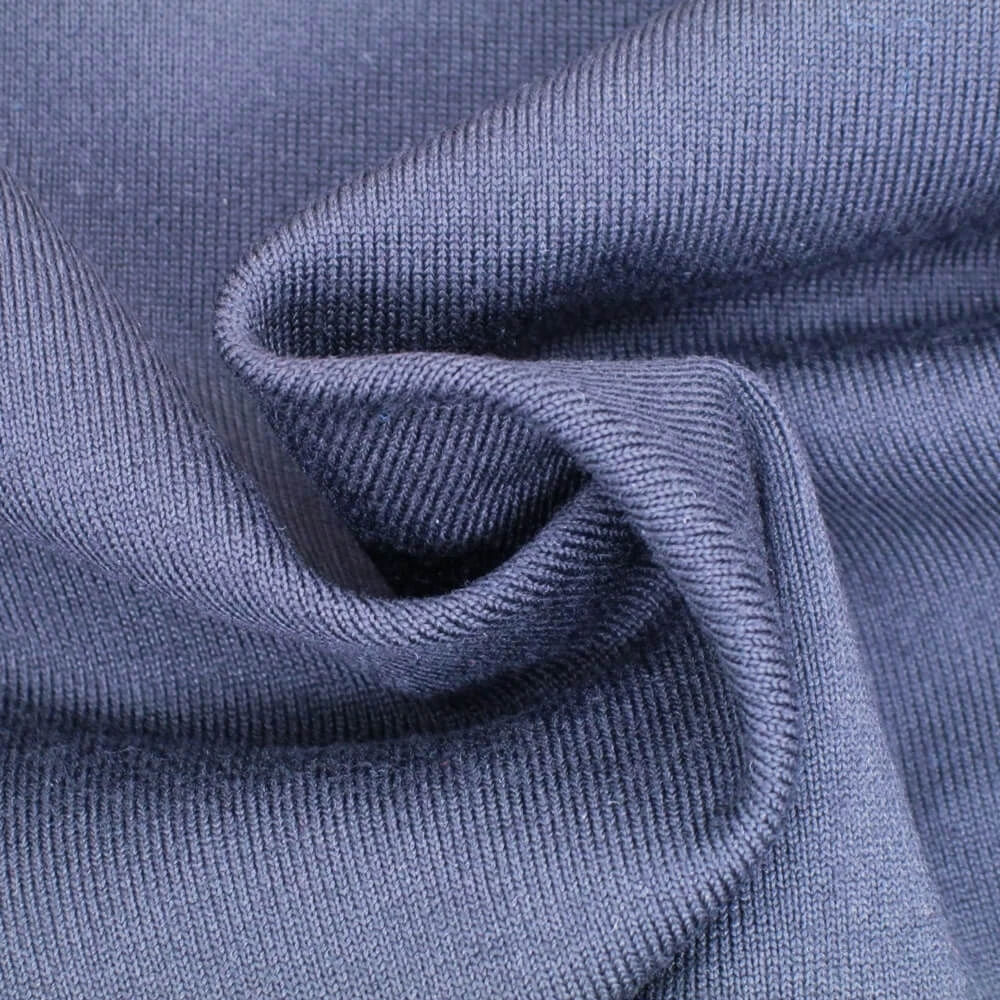
Polyester–elastane is a blend combining polyester with an elastic fibre. It is used for fitted training garments, base layers and activewear. The selected knit, blend, weight and finish determine the hand and recovery. Printing suitability and functional claims should be confirmed on the actual fabric, not assumed from its name.
These are starting points for fabric selection. The chosen quality is approved for the specific garment.
GSM is fabric mass per square metre. It helps compare weight, but does not alone establish quality, coverage or performance.
A brushed hand, smooth face and textured surface create different wearing experiences. Ask for a swatch and state where the garment will be worn, rather than selecting only by fibre percentage.
A print that looks good on a flat sample may crack, separate or distort in a tight garment. Assess the artwork while the sample moves, then inspect it after laundering.
If you require moisture management, colourfastness or a compression-related claim, put that requirement in the brief. Agree the relevant assessment and acceptance criteria before bulk.
Artwork and fabric should be approved together. Explore our decoration services for the wider process.
Polyester content can support a sublimation route, but elastane and finishing require a compatible heat trial.
Review adhesion, extension and recovery along with dye migration on the chosen shade.
Choose label size and placement so branding does not interfere with a close-fitting panel or seam.
Use the complete garment care label. Elastane, functional finishes and decorations can impose different limits from a plain polyester fabric. Avoid unapproved high heat and rough handling of stretch panels.
Approve a washed and movement-tested sample before production. Check whether the hand, fit, recovery and printed areas remain acceptable, using the same care process intended for the end wearer.
Practical answers for choosing, decorating and caring for the fabric in your garment range.
It is used in fitted training tops, base layers, leggings and other activewear. Match the actual knit, recovery and weight to the design rather than specifying the blend alone.
No. The base fibre differs, which can change hand, dyeing and decoration options. Compare samples with the same garment brief before choosing between them.
No. Stretch direction and amount depend on the construction. Specify the extension and recovery needed in each direction and check them on the selected fabric.
Some suitable qualities can be. Approve the base shade, print colour and heat response, because the elastane and finish may be affected by unsuitable processing conditions.
That is not guaranteed by the blend. The yarn, knit and finish affect moisture behaviour. Specify any functional requirement and agree the evidence for that selected quality.
It can be a starting point for a close-fitting garment. A specific compression claim needs garment design and appropriate testing; an elastane percentage is not enough to establish it.
Coverage must be checked on the fabric and finished fit. Assess the chosen colour under the stretch and lighting expected in use, including any lining or gusset.
The base, print and seams can respond differently to movement and care. A decorated sample lets you check adhesion, colour, cracking, recovery and fit as one garment.
Follow the garment label, protect it from unnecessary heat and abrasion, and observe the decoration instructions. Ask about care before using softeners or special laundry treatments on a functional finish.
Approve the fabric, fit, stretch directions, recovery, coverage, seams and artwork. Include the washed sample, labels, size range, quantities and any agreed tests in the production specification.
Send the design, intended fit, colours, artwork, size range and quantity. If you have a reference garment, use it to communicate the hand and finish you want. We discuss the fabric, make the sample and record the approved construction before bulk production.
Review dimensions, shade, decoration and the care result together. Keep the signed-off sample and written specification as the reference for the order.
See how sampling worksTell us the garment, fit, colour, artwork and quantity. We will discuss the fabric as part of your custom apparel order, with the selected specification, sample and minimum confirmed in writing.