
Describe the job the garment does
A casual cargo pant, a customer-facing chino and a hard-wearing uniform have different needs. Share the working conditions and care requirements before choosing the fabric weight and finish.
A woven foundation for cargos, trousers, selected jackets and headwear. Choose the weight and finish around the garment, the working environment and the intended care programme.
Trousers · Diagonal weave
Custom apparel · OEM, ODM and private label
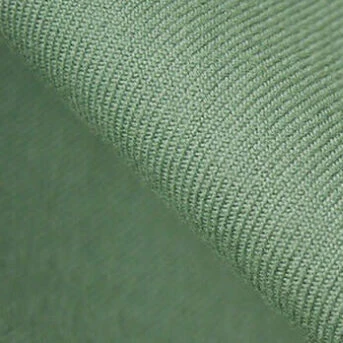
Cotton twill is a woven cotton fabric recognised by diagonal lines on its surface. It is a useful starting point for trousers, cargos, jackets and caps. Twill describes the weave, so weight, blend, finish and garment construction still need to be selected for the intended use.
These are starting points for fabric selection. The chosen quality is approved for the specific garment.
Consider twill for woven cargo styles and more structured trouser designs.
Choose an appropriate quality for chinos and selected uniform pieces.
Review the weave with the crown structure, brim and embroidered mark.
GSM is fabric mass per square metre. It helps compare weight, but does not alone establish quality, coverage or performance.
A casual cargo pant, a customer-facing chino and a hard-wearing uniform have different needs. Share the working conditions and care requirements before choosing the fabric weight and finish.
Review sitting, bending and pocket access on the trouser sample. If extra mobility is needed, discuss a stretch blend, pattern changes or construction details rather than assuming twill will stretch.
A crisp uniform and a washed casual jacket may start from very different finishing briefs. Approve the shade, hand and crease appearance after the proposed wash process.
Artwork and fabric should be approved together. Explore our decoration services for the wider process.
A suitable twill can support badges and stitched logos. Review density and backing on the chosen weight.
Approve the ink, coverage and hand on the diagonal surface, especially on a washed or treated finish.
Choose labels, buttons, zips and reinforced details compatible with the intended care and use.
Follow the finished garment care label. Treat marks promptly with a compatible method, separate colours as directed and avoid aggressive rubbing that may alter the surface shade. Washing and drying limits depend on the blend, finish and trims.
To control creasing, remove garments from the wash promptly, smooth them into shape and iron only when the label permits. For uniform orders, agree the actual home or commercial laundry process and check a sample through that process before approval.
Practical answers for choosing, decorating and caring for the fabric in your garment range.
Many twill garments are straightforward to care for, but the correct method depends on fibre blend, finish, colour and trims. Follow the garment label and test a compatible stain treatment on an inconspicuous area.
Cotton twill can wrinkle. The amount varies with fabric weight, blend, finishing and how the garment is washed and stored. Twill is not automatically wrinkle-free; specify and verify any easy-care requirement.
Use the labelled wash and drying process, deal with marks gently and reshape the garment after washing. Iron only as permitted, with extra care around prints, embroidery and coated trims.
It can change dimensions during laundering. Check a finished sample through the intended care cycle and agree the allowed change before the pattern and fabric are approved for bulk.
A standard woven twill does not have the same elasticity as a stretch knit. If mobility is part of the brief, discuss an elastane blend and assess its recovery in the finished garment.
Yes, a suitable quality can provide the structure those styles need. Assess pocket bulk, fit, movement and care requirements to choose the right weight and finish.
It can be used for selected work trousers, jackets and uniform pieces. Protective, flame-resistant or other certified performance is a separate requirement and must be specified and verified for the order.
Twill has diagonal weave lines; canvas commonly uses a plain-weave construction. Their weight and finishing can overlap, so compare actual samples for the garment you are developing.
Yes, when the chosen fabric and construction support the design. Approve the stitched sample for logo clarity, backing, placement and the effect on the surrounding panel.
Send the garment drawings or reference, fit, target hand or weight, colour, decoration, size range and quantity. Include laundering conditions and any reinforcement or stretch requirement in the brief.
Send the design, intended fit, colours, artwork, size range and quantity. If you have a reference garment, use it to communicate the hand and finish you want. We discuss the fabric, make the sample and record the approved construction before bulk production.
Review dimensions, shade, decoration and the care result together. Keep the signed-off sample and written specification as the reference for the order.
See how sampling worksTell us the garment, fit, colour, artwork and quantity. We will discuss the fabric as part of your custom apparel order, with the selected specification, sample and minimum confirmed in writing.