
Start with the silhouette
A boxy tee needs a different balance of body and drape from a close-fitting base tee. Send a reference garment or a fit drawing alongside the target hand feel; weight alone does not describe the result.
An easy, versatile starting point for a T-shirt collection. Choose the hand feel, body weight and finish around the fit you want, then approve the fabric in a finished garment.
Everyday tees · Soft drape
Custom apparel · OEM, ODM and private label
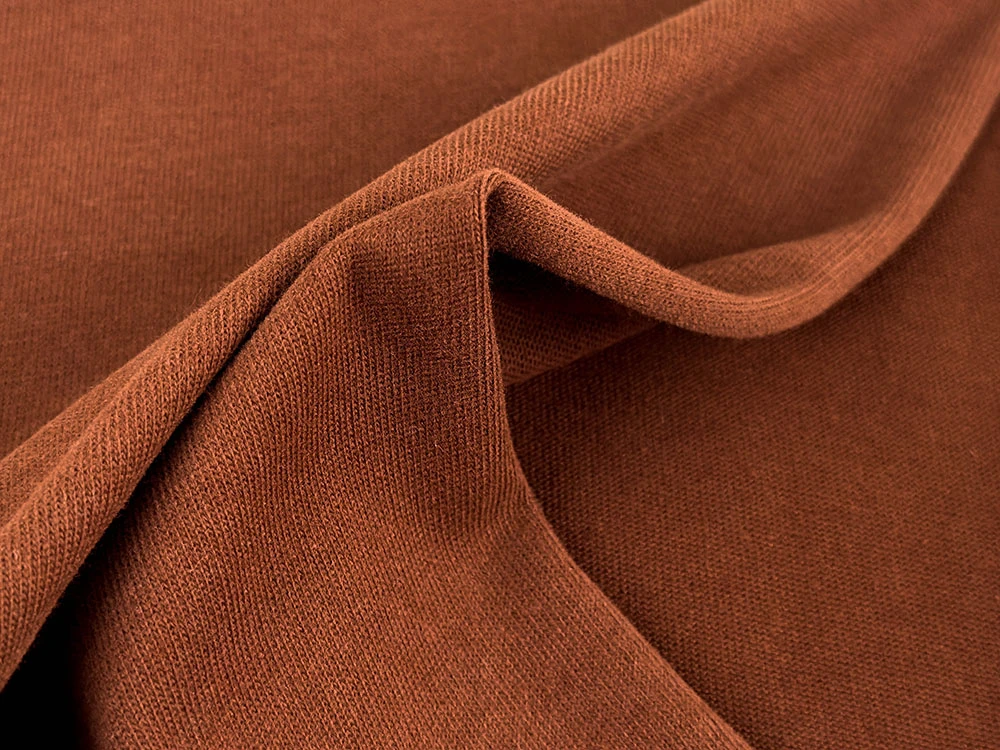
Cotton single jersey is a weft-knitted fabric with a smooth-looking face and a different loop structure on the reverse. It is widely used for T-shirts. For a private label order, the important decisions are the cotton specification, fabric weight, finished width, shrinkage allowance and the way the garment hangs after washing.
These are starting points for fabric selection. The chosen quality is approved for the specific garment.
Build a relaxed or more substantial tee around the selected jersey weight.
Match the fabric hand to the event, decoration and intended repeat wear.
Assess neckline stability and whether the fit needs additional recovery.
GSM is fabric mass per square metre. It helps compare weight, but does not alone establish quality, coverage or performance.
A boxy tee needs a different balance of body and drape from a close-fitting base tee. Send a reference garment or a fit drawing alongside the target hand feel; weight alone does not describe the result.
Measure the sample before and after the proposed care cycle. Check body length, width and seam position, so the approved pattern allows for the actual fabric rather than an assumed shrinkage percentage.
Review the face for an even appearance, check light colours against the intended underlayer, and confirm that the approved shade still works beside rib, neck tape and printed artwork.
Artwork and fabric should be approved together. Explore our decoration services for the wider process.
A useful route for graphic tees. Approve ink coverage, hand feel and wash performance on the chosen jersey.
Keep stitch density and backing appropriate to the fabric weight; a large dense mark can pull a lighter tee out of shape.
Decide between a sewn label and a printed neck mark, and test comfort against the skin.
Use the finished garment care label. For a sample programme, compare the intended wash and drying method with the original measurements, and inspect the print as well as the cotton body. Reshape gently rather than pulling the wet neckline.
For a commercial range, agree the acceptable change in size and appearance before bulk cutting. A cotton label alone does not establish a safe tumble-dry setting or a guaranteed shrinkage figure.
Practical answers for choosing, decorating and caring for the fabric in your garment range.
Yes. It is a common choice for casual and promotional tees. The best version depends on fit, opacity, decoration and how much structure you want; approve the combination in a garment sample.
It can change size during washing and drying. Yarn, knitting, finishing and care all affect the result. Measure a washed sample and record the agreed tolerance instead of assuming all cotton jersey behaves the same.
Its loop structure gives it some stretch, especially across the width. That does not guarantee the recovery needed for a tight fit. Ask for an elastane blend when the design calls for it and assess recovery in the sample.
Fabric spirality and garment construction can move the side seams. Check a washed sample laid flat, then agree fabric stability and cutting requirements before approving bulk production.
Start with the intended fit, season and hand feel, then compare swatches in more than one weight. GSM measures mass per square metre; it does not by itself describe softness, opacity or quality.
Yes, subject to the ink and fabric finish being compatible. Approve a strike-off or decorated sample, including the feel of the print and its appearance after the intended washing cycle.
Small marks can work well. On lighter jersey, dense stitching may cause puckering or a stiff patch. Review backing, stitch count and logo size on the actual fabric.
It can crease, particularly when packed tightly or left in a damp pile. How much depends on the fabric and finish. Follow the garment label for drying and any ironing, taking care around printed areas.
Follow its care label, wash with suitable colours and reshape the garment gently after washing. Check the decoration instructions too; a printed tee may need a different treatment from an undecorated cotton sample.
Send the tee design, fit, target hand feel or GSM, colour, size range, artwork and quantity. Adriqa can discuss the jersey options as part of the apparel order; the final fabric and minimum are confirmed in the quote.
Send the design, intended fit, colours, artwork, size range and quantity. If you have a reference garment, use it to communicate the hand and finish you want. We discuss the fabric, make the sample and record the approved construction before bulk production.
Review dimensions, shade, decoration and the care result together. Keep the signed-off sample and written specification as the reference for the order.
See how sampling worksTell us the garment, fit, colour, artwork and quantity. We will discuss the fabric as part of your custom apparel order, with the selected specification, sample and minimum confirmed in writing.