
Review the collar with the body
A body swatch cannot show whether the finished collar curls, the cuff grips correctly or the placket lies flat. Approve these parts together on the selected fit.
A familiar starting point for a smart polo range. Assess the textured body alongside its collar, sleeve rib and placket to achieve a consistent finished appearance.
Polo shirts · Textured face
Custom apparel · OEM, ODM and private label
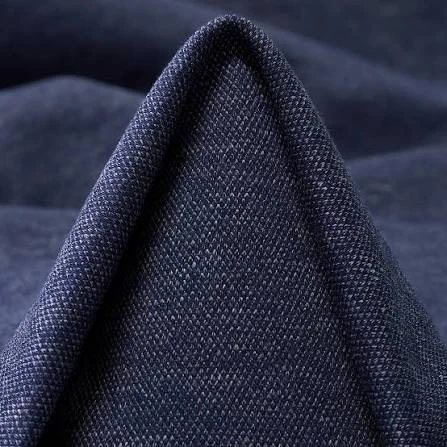
Cotton piqué for polo shirts is a textured knitted fabric, often recognised by its small raised or cellular surface. It gives a polo a different hand from smooth jersey. Specify the body fabric, collar and cuff construction together, then check fit, embroidery and washing behaviour in the finished sample.
These are starting points for fabric selection. The chosen quality is approved for the specific garment.
Match body piqué, collars and sleeve bands for a coherent polo range.
Select a hand and care specification appropriate to the staff role.
Consider polos for team travel or off-field use, with performance needs specified separately.
GSM is fabric mass per square metre. It helps compare weight, but does not alone establish quality, coverage or performance.
A body swatch cannot show whether the finished collar curls, the cuff grips correctly or the placket lies flat. Approve these parts together on the selected fit.
Small lettering can sink into a textured surface. Review stitch definition, backing and placement on a real sample rather than relying only on an embroidery file.
For a corporate programme, review how the shade sits beside trousers, jackets and the brand artwork. Keep an approved shade reference for repeat orders.
Artwork and fabric should be approved together. Explore our decoration services for the wider process.
A common polo finish; approve small lettering and edge clarity against the textured knit.
Review coverage and legibility on the texture, especially for thin lines or small text.
Coordinate buttons, neck tape, woven labels and collar details with the intended brand presentation.
Follow the complete polo care label. Reshape the collar and placket gently after washing, and use only the permitted drying and ironing process. Avoid pressing directly onto embroidery or a printed logo.
For staffwear, tell us whether the polo is intended for home laundering or a specified commercial laundry process. A cotton piqué construction alone does not establish suitability for industrial washing.
Practical answers for choosing, decorating and caring for the fabric in your garment range.
Yes. The textured knit is closely associated with classic polos. The final result also depends on the collar, cuff, placket and fit, so approve a complete shirt rather than only a fabric swatch.
Piqué has a more textured surface, while single jersey has a smoother face. Compare the actual samples for body and drape; the names do not establish an identical weight or softness.
It can crease. Packing, moisture, blend and finishing affect the appearance. Remove it from the wash promptly and follow the garment label for reshaping, drying and any ironing.
It may change size after laundering. Check body length, width and collar dimensions on a washed sample, and agree the tolerance on the approved specification.
It depends on the artwork and the desired finish. Embroidery is popular for chest logos; a print can work too. Approve the actual decoration for clarity, comfort and wash appearance.
Collar construction, finishing and care can influence its shape. Review the collar after washing and drying the sample, with the proposed neck tape, placket and buttons in place.
Yes, with an appropriate pattern and fabric recovery. If the design needs stretch, specify the blend and assess movement, rather than simply reducing the pattern dimensions.
Use the labelled wash and drying method, reshape the collar gently and protect the logo from direct pressing. Store the garment dry, with the collar and placket sitting naturally.
It can suit many customer-facing roles. Tell us the working environment, laundering requirements and expected wear frequency so the fabric and trims are selected for that programme.
Approve the fabric hand, shade, collar and cuff, fit, buttons, chest artwork and washed measurements. Confirm care labels, quantities and packing in the written order specification.
Send the design, intended fit, colours, artwork, size range and quantity. If you have a reference garment, use it to communicate the hand and finish you want. We discuss the fabric, make the sample and record the approved construction before bulk production.
Review dimensions, shade, decoration and the care result together. Keep the signed-off sample and written specification as the reference for the order.
See how sampling worksTell us the garment, fit, colour, artwork and quantity. We will discuss the fabric as part of your custom apparel order, with the selected specification, sample and minimum confirmed in writing.